The Corporate Gold Rush: Why Big Businesses Are Snapping Up Music Catalogs
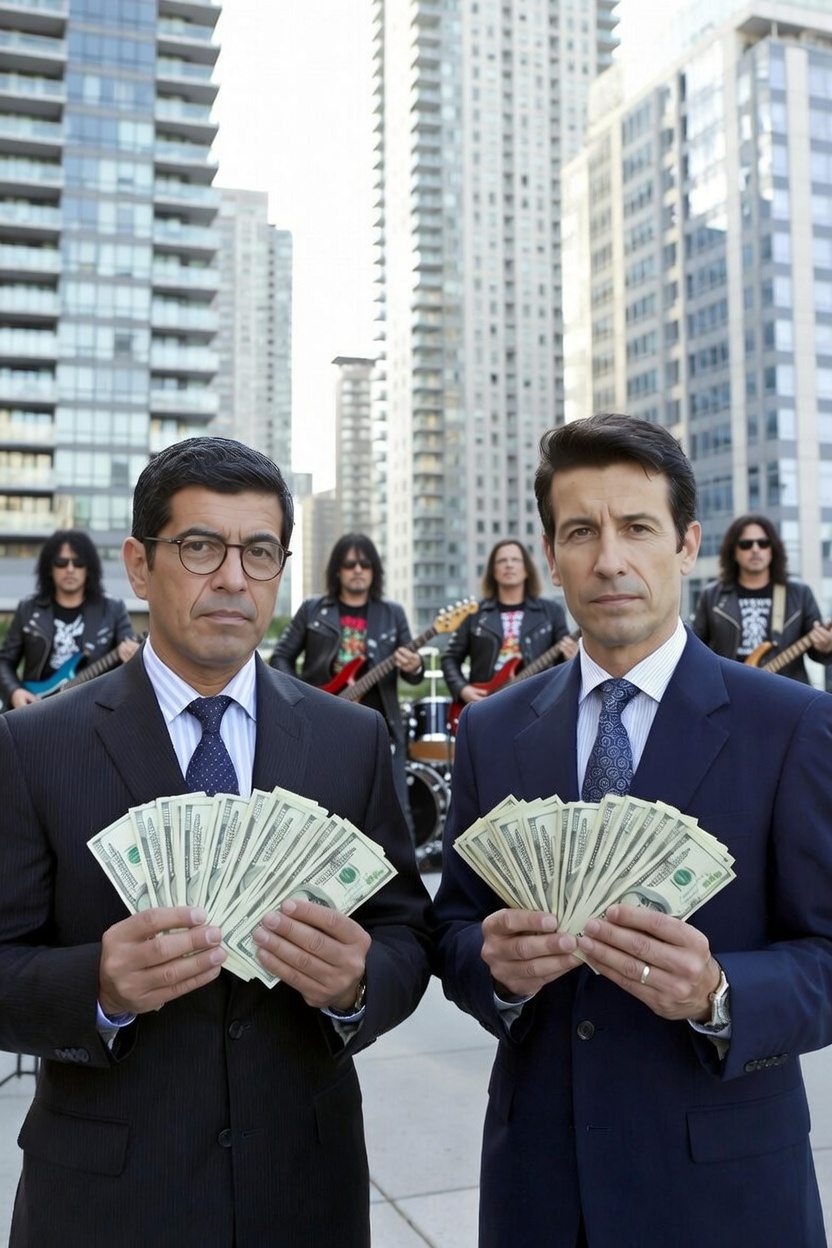
The Corporate Gold Rush: Why Big Businesses Are Snapping Up Music Catalogs
In the ever-evolving world of music, one trend has been dominating headlines: corporations and investment firms pouring billions into acquiring music catalogs. From legendary rock bands to pop superstars, these deals aren't just about nostalgia—they're savvy investments in timeless assets that generate steady revenue in the streaming era. But what's driving this frenzy, and what does it mean for artists and fans? Let's dive in.
The Rise of Music as an Investment Asset
Music catalogs—collections of songs, recordings, and publishing rights—have become hot commodities for corporations. Unlike volatile stocks or fleeting tech trends, hit songs can earn royalties for decades through streaming platforms, sync licenses for ads and movies, and even live performances. With global music revenue hitting record highs, thanks largely to services like Spotify and Apple Music, these catalogs offer predictable, long-term returns.
Private equity firms and major labels see music rights as "evergreen" intellectual property. For instance, firms like Bain Capital and Warner Music Group have teamed up to hunt for iconic catalogs, betting on their enduring value. This shift accelerated during the pandemic, when low interest rates made borrowing cheap, and streaming's growth turned music into a reliable cash cow. Now, even as rates rise, the deals keep coming, with investors viewing catalogs as inflation-resistant assets similar to real estate.
Blockbuster Deals Shaking the Industry
2025 has already seen some massive transactions. Warner Music Group and Bain Capital launched a $1.2 billion joint venture specifically to acquire legendary music catalogs across recorded music and publishing.
Under the deal, the partners source opportunities together, while Warner handles marketing, distribution, and admin—ensuring the music keeps spinning profits.
Concord Music Group, another powerhouse, raised $1.65 billion through asset-backed securities (ABS) to fuel its acquisition spree.
This isn't their first rodeo; they've been snapping up catalogs from artists like Daddy Yankee, whose hits like "Gasolina" and "Despacito" add serious firepower to their portfolio of over 1.3 million copyrights.
Similarly, HarbourView Equity Partners secured $500 million via ABS to invest in "evergreen intellectual property," recently grabbing stakes in Slipknot's royalties and Kelly Clarkson's catalog.
Pophouse Entertainment, the firm behind ABBA Voyage, raised $1.3 billion for catalog buys, signaling a focus on experiential tie-ins like virtual concerts. And let's not forget Taylor Swift's triumphant move: In May 2025, she reacquired her first six albums' masters from Shamrock Capital for around $360 million, capping off her re-recording saga and reclaiming control.
Looking back at 2024 for context, Sony Music made waves by acquiring Queen's entire catalog for $1.27 billion and Pink Floyd's for $400 million.
Universal Music Group (UMG) wasn't far behind, buying a stake in Chord Music Partners—home to tracks by The Weeknd and Lorde—for $240 million, valuing the firm at $1.85 billion. These aren't isolated events; they're part of a broader pattern where majors like Sony, Warner, and UMG consolidate power through strategic buys.
Even smaller players are in the mix. Primary Wave has been active, picking up assets from Neil Finn (Crowded House), Neil Sedaka, and Village People, blending publishing, recordings, and branding rights.
Funds like Litmus Music and HarbourView are also targeting niche catalogs, from Latin stars to rock icons, amassing portfolios that span genres and eras.
Why Corporations Can't Resist
The motivations are clear: Streaming has supercharged royalties. A single hit can rack up billions of plays, translating to millions in annual income. Corporations leverage their scale to maximize this—syncing songs in commercials, remixing for TikTok virality, or bundling into playlists. Plus, with AI and virtual reality on the horizon, catalogs could unlock new revenue streams like AI-generated remixes or metaverse concerts.
For artists, selling can mean a massive payday, especially for aging legends planning estates. But it's not without controversy. Critics argue it commodifies art, potentially leading to over-commercialization or neglect of lesser-known tracks. Swift's battle highlighted artist control issues, inspiring others to negotiate better terms or retain rights.
The Future Tune: More Consolidation Ahead?
As we head into 2026, expect the trend to continue. With firms like Apollo Global Management investing $700 million in Sony Music and Blackstone acquiring Hipgnosis Songs Fund for $1.58 billion, the big players are doubling down.
Emerging markets, like Afrobeat labels in Nigeria or South Asian catalogs, are next on the radar, as seen in UMG's Oriental Star Agencies buy.
Ultimately, this corporate surge is reshaping music from a creative pursuit into a blue-chip investment. For fans, it might mean more revivals and remasters; for the industry, it's a symphony of dollars. Whether that's music to your ears depends on your perspective—but one thing's certain: the hits keep on coming.

AI's Double-Edged Symphony: Revolutionizing the Music Business in 2025