
How An in-Demand New York City DJ/Musician Mentors Inner City Youth
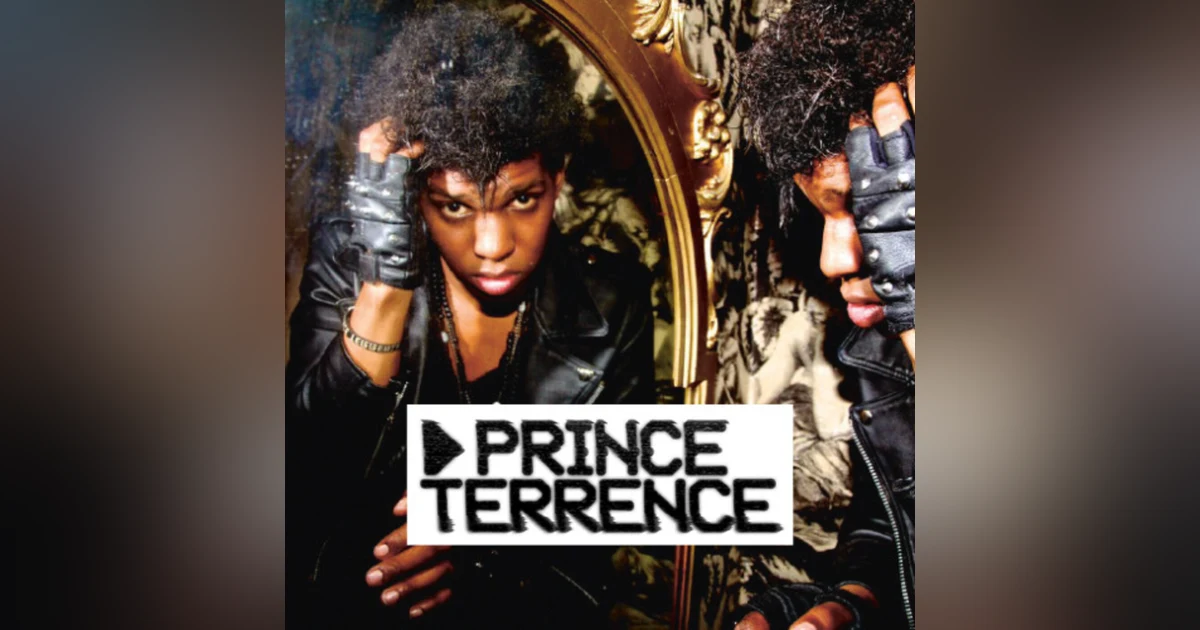


Prince Terrence is a NYC based DJ/ Musician. He is a highly in demand in New York City and can be found spinning an eclectic mix of the latest dance floor hits and classic party favorites at various clubs. When Prince steps away from being a musician he spends his time mentoring inner city youth at the non-profit, Creative Muse.org. Prince visited with The Trout about his musical career, his touring schedules and his dedication to helping under privileged youth discover their love of music.
https://www.instagram.com/princeterrence/
https://www.thetroutshow.com/
Thanks for listening for more information or to listen to other podcasts or watch YouTube videos click on this link >
https://thetroutshow.com/

Season 03 - Episode 11 – Prince | Transcription
Sponsored By:Today's podcast is supported by David Smith of Edward Jones. Are you happy with your financial strategy, or maybe like to see what other opportunities are out there? Give, David, a call at 469-372-1587. That's 469-372-1587. David is only concerned about one person that you and your financial health. So check them out. David Smith, Edward Jones 469-372-1587.
PODCAST INTRO (Trout): Hey, everybody it’s Trout. I hope you're having a great day. A little bit different episode on The Trout Show. Today we talk to another wonderfully talented musician. But we also talk about what his passions are other than music, and that is his relationship with a nonprofit out of New York City called “Creative Muse”. I'm talking about the very talented individual called Prince Terrence. Now Prince is going to talk about his career at the beginning and talk about how he's played with some remarkably famous musicians on tour and how he hung out with Coldplay for a while. Go figure that, but also how he is dedicating his time to being a mentor at this wonderful organization in New York City to help inner city kids learn how to play music. As I said earlier, it's called “Creative Muse”. So I think you'll enjoy it. So it's a two parter. Stick by unless the part where he prints talks about his career. And then we move in to talk about his mentorship at “Creative Muse”. So up next, a guy that is a great musician, very talented and very well known, taking time to help inner city kids with their hopefully upcoming musical careers. That's next on The Trout Show.
Trout: Let me start with you because you're involved with his organization. We're gonna get into more about what you do and all that stuff. But tell me a little about I read about your bio where you grew up and started your life in Detroit. Were you born in Detroit?
Prince Terrence: I was born in Detroit. I was there, got out of there pretty early. So the bulk of my life was spent in Louisville, Kentucky.
Trout: Oh, really?
Prince Terrence: I've lived there since first grade. So that's where my hometown. I started musically. I started playing drums. I got into drums just because my mom would drag me to church. And I was like, Oh, God, like, and then I would see the drummer and I was like, “Oh, this is what I can hone in on this and be distracted by everything else that I hate about this situation”.
Trout: I understand.
Prince Terrence: So I was just like, “This is awesome” and then every time the drummer would play it just like did something to me. And
Trout: Was this the Baptist church?
Prince Terrence: It was.
Trout: I know at Southern Baptist, that's how I grew up the same thing. So I kind of know, the music they were playing probably old gospel stuff.
Prince Terrence: I mean, the drums intrigued me but also the thing that I saw the drums doing to people because they didn't have it. It wasn't a full band. It was just a drummer. And the preacher going off, and it kind of reminded me, because I was always into alternative music and heavier music. And then just reminded me of the energy that pumped music had and listening to “Rage against the Machine” and stuff like that. Guns and Roses, Motley Crue, growing up, I was kind of an outsider in my family, they're like, “Why do you listen to this kind of stuff?” And it's like, I don't know. I just like, “He just does something to me”.
Trout:What were they listening to?
Prince Terrence: Well, we're from Detroit. So a lot of Motown. My dad was super into rock and roll like he listened to like Chicago and Germany.
Trout: Material on the heavier side. They like the Motown sound and your dad like classic rock music and then you were like, “I want the heavy stuff”.
Prince Terrence: I mean, that was at the time when on MTV when, it was all guns and roses and coming out of the big hair days. I don't know if that was just like a timing thing because I just loved MTV. But I also loved MTV and AD. So I just back then would just sit in front of the TV and watching TV all day.
Trout: So we all did that.
Prince Terrence: Whatever was on there was what I liked. And it's kind of funny to think about how that was then. And think about how it is now. How pop music is like, whatever's in front of you is what you're going to listen to. So on MTV, it's Mr. Big and warrant and all those hair metal bands, that's what you're listening to. And that was like, what the culture was then. And now you can you see it shifts throughout the years.
Trout: It’s funny about though, when you think back on it, was we'd watch it to see what kind of weird stuff they do in your videos. If they'd shoot these videos and you're like, “I don't know what this means, but I watched it”. Because then you're trying to figure out what it was. And you're like, I don't know what it means. You go back and look at him from the 80s. And you see it and you're going like, what were they doing? I don't know. I don't think they did, either. It's just kind of let's be creative and throw something on there but it's changed so much. I quit watching it years ago, because there's not MTV anymore.
Prince Terrence: It's not existent. But Peter Gabriel videos, you're just like, “I'm only going to see it, and you can't rewind it and we just want to find it”. And it's just what's come next. It's just like that anticipation. It's like, waiting for the balloon to pop. So that's how I got into that type of music. And then I started growing up in the situation I grew up in, you can't really. We always lived in apartments, like smaller apartments and I couldn't have a drum kit there. So I have a friend named Brad, who plays in this band, this rock band called “The Bronx”. And we went to Cub Scouts together, we played sports together. We decided we're going to be musicians, and he was going to be the guitar player and I was going to be the drummer. And so, every week he would go to guitar lesson at this little local shop called “Mom's Music”. And during his 30 minute guitar lesson, I would play on the display kits. The only access that I had to drum kits for the first few years that I was interested in playing drums, but that's how I ultimately learned how to play was that 30 minutes once a week.
Trout: You're both schoolmates? You were friends and you went to school together?
Prince Terrence: Yeah, we went to school together and we were in the same grade. His mom was like my Cub Scout leader and all that stuff.
Trout: And were you playing that kind of music you wanted to play at that time was a heavy metal stuff kind of leaning towards that?
Prince Terrence: I mean, I was just learning how to play. So I was just learning like basic beats, but the idea was we're gonna be a rock band because Nirvana was out. And that was kind of like our goal at that guy.
Trout: But then you changed along the way. I mean, now look where you are now compared to where you were there. Obviously, age is different than you got different. But along the way, something said, I don't do that anymore. What changed you?
Prince Terrence: I mean, so for so long, I played in that band with Brad my whole entire music career, basically, in Louisville, Punk Bands, Hardcore Bands and we toured the world. Like, we got a record deal with this kind of big encore label called Revelation records, which ironically, Inside Out was on which is the singer from regions machines first band.
Trout: I think I've heard of that label. They were out anymore, but I think I do remember the label.
Prince Terrence: I think they're still putting out some famous 90s hardcore, late 90s. So when touring the world touring in a van sleeping on floor sleeping, playing in a house on the same floor that you just played on. We ultimately got an RV that we toured. And we were just kind of just always on the road since I was in high school, we were touring every weekend. So in Louisville, we would be on the weekend we which we booked shows and Cincinnati and Columbus, Ohio, just like places that were within three to five hour drive. Fast forward, I met obviously a bunch of bands on the on the along the way and there's a band from Austin called recover. And the singer Dan Ke actually got started a solo project and he got a record deal with Island Def Jam. Hmm pretty big deal. And so when he was putting together his band for his live show, he was like, “I want you to be my drummer”. And I was like, “Well, I was in Louisville”. He was like, “I'm moving to New York. I got this record deal, like I'm really doing this”.
Trout: Now I see how it happened. So he was from Austin and no he moved to New York.
Prince Terrence: Exactly. So then he was in New York and this was this is New York at the prime American Apparel, Hipster Vice magazine, sweaty dance party scene. And I was like, “Man, I have to be there”. And it was really easy to leave the band and leave all my friends and everything in Louisville, but I was like, “The only way to progress and like, what I want to do is to make is to take this step”.
Trout: You got to take a chance.
Prince Terrence: So then I moved to New York. And played with this band was called “Young Love” and we toured. The first year was all kind of just rehearsals and we played some parties in New York. And then we started touring like, pretty extensively. The first tour we did was with Good Charlotte. We did a lot of we did a tour with Lady Sovereign. I don't know if you remember her. She's a rapper but it was cool and it was different for me. And it was also different for him for that for the other guys in that band, because they all had come from hardcore and similar to me, but then we were like, going into this new world of playing kind of like more polished pop music, so to speak. It was still a little grainy, but it was definitely not like the guitar swinging. Like, it was just much sexier for all of us.
Trout: Got it.
Prince Terrence: We're growing up.
Trout: Let me ask you this real quick. How old were you when you moved to New York?
Prince Terrence: I was 25.
Trout: But you know what, all the people I interview there's always there's two things. Usually, three things. One, they started music very young. They get the touch. I was 12 when I started people, they get the touch amazingly. So, no matter the color your skin. A lot of people get started in church. As soon as you said that, that isn't surprising. It’s that exposure. And then three, if they want to succeed, they have to go someplace they're not comfortable with. There's a point that if you really want to are in it, if you're in you got to go dive in.
Prince Terrence: Exactly.
Trout: So how long did that that situation last for you then?
Prince Terrence: What you were saying it was when I moved to New York, it was still like, I was playing in punk bands. We were never making money. We only made enough money to get to the next show. But luckily rent and Louisville was cheap, but when I moved to New York, I literally moved with my dog, one tiny suitcase and my Cymbal Bag and snare and Island Def Jam set me up with a place to live. Luckily, the hardest part was out of the way. But I didn't have any furniture. So I like slept on the floor. And I use literally use my dog as a pillow and my clothes as a blanket. And it was like, “I would go out partying every night and just come home and pass out. It was the lifestyle then”. And it wasn't really glamorous.
Trout: It's not glamorous.
Prince Terrence: But then when the checks started coming in, I was like, “Wow, I'm getting paid to play music”. I moved to New York. I'm actually like, there's like a check with my name on it that that is a direct result of like, me playing music. And that was just a foreign concept to me because we had never made money before. ,
Trout: It made a little money.
Prince Terrence: So to be getting to it was like the biggest thing big epiphany was like, “Wow, I'm making money to play music and that was life changing.”
Trout: Did you think at the time going back to that time that you are not worthy of being able to play professionally. It's a personal thing I know, because people I've ran into they don't want to, oh, we're not good enough? Well, that's because you don't think you're good enough? Did you think of yourself as I'm going to be living on a floor with my dog for the rest of my life? Because I can't make it.
Sponsor:Concerned about your financial health and reach out to David Smith of Edward Jones 469-372-1587. That’s 469-372-1587. You can conduct business where you are. Get your financial health check up with David Smith of Edward Jones, his number one concern is you. That's David Smith of Edward Jones 469-372-1587.
Prince Terrence: Well, at that time, I knew that was just the beginning of what was about to happen. This was the beginning of a new cycle. And the hype around the band was like, we were kind of like a buzz band. So it wasn't really the only reservations that I had about the whole situation where me is like a hardcore kid. I was just always like, “Man, I'm never gonna sell out. I'm never gonna be on a major”, you know what I mean? And that world who still had that. Who's still thought like that big New York guy moving. That was the only thing I was kind of insecure about. But then I got past it. I was like, “Well, I'm making money now to be a musician. You forget about the sellout aspects very quickly”.
Trout: Well, I think it's so different now than even then. I mean, you think about it. It's so many people, and I had lunch with some major label people about three, four weeks ago. They were in town, and I was interviewing one of their people, and they're at a national, they’re country people. But I asked him about how the music industry is. I know all about. I've been through all the iterations from albums, cassettes, I've been through all of it. And I told them, I tell everybody the same thing, because they said, used to be the lake was a mile deep, and very short. So it was not a very big lake, but it was really deep. Now, the lake is a mile wide. And it's this deep, because everybody's into it. Because they sit at home and they do their beats, or they write their music, whatever. And one of the guys told me, he said, “Look, it's harder now. I think it was back then. Because I say to people still want a label deal”. He goes, “Oh yeah, they do”. But there's other people that just throw stuff up. And maybe somebody gets it on TikTok, or they see it on YouTube or Instagram and all sudden that everybody's buying or not buying, they're going there. You went through what a lot of people do, I wouldn't do it. I had an opportunity, I will tell you the truth. I had an opportunity. I said to my parents, I'm out of here at 19 years old. I'm leaving, I'm going to go to Euston and I'm going to join a band and Euston and all that. Well, they convinced me I should go and get an education, which I didn't finish. But I look back on that and go, “Why didn't I do that?” Because I didn't have that I didn't want to do what you did to be quite frank, I was comfortable. I don't want to live on a floor. I don't want to travel for guys and a beat up van and a night going, we're going to split that burger or what? So you've gotten to the point now, where you got through that and I always told people and I shopped stuff around, I went back in the 90s I went into the studio and recorded stuff and had friends come in and record but I knew some people that were very good at performing. And shot stuff, the labels, and got the rejection letters everybody does when you do unless somebody. So then you did that, what happened after that?
Prince Terrence: So that band “Young Love”, once we started touring, it was kind of big. It was life changing. We toured in a bus and we had riders, the clubs would bring us the beer that we wanted.
Trout: You were real band and professional band.
Prince Terrence: It was all new to me. So it’s kind of in a way it was culture shock because going from little hole in the wall dive punk bars to playing House of Blues everywhere, it was cool. So after that, drummers are kind of notorious for bouncing from project to project. At the time, I wouldn't say so much because people have replaced drummers with electronics, but back then drummers were in demand, and especially drummers that were down to just drop anything and tour, drop everything. So then I started playing with “Young Love” actually played a show at South by Southwest. I think it was a nylon magazine show with a Santigold. And this was before Santi had any release out or anything. And she was like, “When I start touring, I want you to be my drummer”. And people said that kind of stuff to me. So then, fast forward, and she releases her record, and it's like a huge deal. And she's like, this huge new artist. And she hit me up and asked me to play drums for her. And I was like, “So I joined her band”. Kind of like the same type of situation as me leaving Louisville, it was kind of the time for me to be selfish so to speak, and do pursue my career and not worry about how it's gonna affect other people.
Trout: You just can't do that. You really can't.
Prince Terrence: It's really hard to do. But if you want to succeed and you this industry. That's, it's kind of you have to do it. So I left “Young Love” and started playing drums with Santi. We did on her first record, we did the whole festival circuit and Europe like reading and leads and that's the bowl and all that stuff. And it was during the time when my music career kind of aligns with what we're saying, whatever's in front of you on MTV is what you're like. When the young love era, the bands that were that were around the killers that just started and the bravery and kind of Dance Punk bands, and we kind of fit into that into that world. And then with Santi, it was a new wave of cool, it already been around but it was still that dance. Like, it was when the dance got bump levels and artists like that. So we were in that world. So we were the next level of dance, Santi dance artists that were now we're the ones that are being played on MTV.
Trout: Let me ask you a logistical question here, because I always want to know. So you're playing with her band. You're one of the band, how many people are in the band?
Prince Terrence: There were two dancers, a guitar player, a bass player and a drummer.
Trout: I'm just curious for my own benefit here, nothing special. Were you just considered a higher gun? You just got a flat rate to play?
Prince Terrence: Exactly.
Trout: You got the big money and you got play.
Prince Terrence: And that was the situation with the previous band too. It was hired gun situation. I got paid as well.
Trout: There's nothing wrong with that. Because I know studio musicians out of Nashville and that's how they get paid. After that, what happened?
Prince Terrence: The Santi thing was cool, because we did a full US Coldplay tour, main support for Coldplay.
Trout: Oh, wow.
Prince Terrence: So we got to do that was really awesome.
Trout: Did you hang out with the guys from Coldplay? They seem like pretty nice guys.
Prince Terrence: In bond with Chris Martin. And the bass player guy would be the bass player guy was cool, because he would come with us to the bar. And people wouldn't know who he is. And we would meet girls and be like, “He's in Coldplay. Because no one even notices”. Nobody knows what the PEEP guys and Coldplay look like except for the singer. So that was pretty fun.
Trout: And you're like hanging out with him and all that shit. You got to the point in your life, which is I go back to what you said at the very beginning. You and your buddy sat down and said, “I'm going to play drums and you play guitar and we're going to we're going to play music”. Now look at you.
Prince Terrence: And that's what you said about how everyone always starts young. And it's like when I look back as my earliest memories, I'm still essentially the same person as I was old enough form thoughts. I've had always had a love for music, and I still do. And I always knew that I wanted to play music, and I'm still doing it.
Trout: So what are you doing now?
Prince Terrence: So fast forward, after Santi, I played with another band called “Hearts Revolution”. We were like another electro dance band we toured mostly in Europe. And this was during when music blogs just happened. So this was pre Spotify. And this was when you could download endless music on music blogs. So that's how this band got big from just downloads. And then they just were a guy and a girl couple who wrote some songs, and then just started getting all this traction or we need to play a show, we need to get a band together. And this was kind of a turning point in the broader music industry. Because you didn't need labels at that time, except for tour support, but you are getting paid. Like, especially as a dance band, because you're providing a different, it's not like you're playing a rock show. You're taking the place of a DJ because you're playing in environments where people are going to be dancing. So you can put a dance band next to a DJ on a DJ club night in Paris, and it'll be a better experience and if you have a brace of rock band playing. So we're getting flown around the world from party to party, to play those kinds of things.
Trout: And that was cool about this the money you make.
Prince Terrence: Exactly.
Trout: They're paying you. It's not you said earlier, you wanted a seedy bar, and you're trying to get your money for the bar guy after you guys play, and they don't want to pay him. It's the same way here.
Prince Terrence: And then another shift happened in the music industry where it just became like completely unaffordable to tour which is nothing new. But that was something that without a label, I wanted my whole thing. I want to pay my band, because I don't want these people to be out here touring for my dream.
Trout: No, but you've been there. You know what it was like.
Prince Terrence: Exactly. So then I kind of hit a moment with that, where I was just like, “I can't afford to pay a full band”. So then I slimmed it down. And then settled down a little bit. And then I started. So during the sun during the young love era. And the whole New York music experience, started having a club night started wanting band people, band members to a DJ. So that would be like, Block Party would play and then the singer would DJ the after party. So we were doing that, and then I was the DJ. So when we were to have an after party for whatever band I was playing with, I would DJ. So when we got back to New York, and say in “Young Love”, or any of the other bands that I played with, the any touring musician will tell you that the hardest thing about touring is not touring. That time when you're home when you're just like, “I'm on the road. I'm not making money. What am I supposed to do?” Wait here now. I was just on tour with Coldplay, what am I doing now?
Trout: Where's my next gig?
Prince Terrence: So I fell into DJ’ing that way luckily, because it's like music adjacent. And in many situations, and money is touring so far. As far as like “Creative Muse” when Jamie was assembling a team. She hit me up and Jamie's, this is centric, she’s one of those people that are just like, exploding with ideas at all times. And it's just like, “Bam, Bam”. And I was just like, “Sounds awesome. Sign me up”. I don't even know what you just said, but sign me up. “I get you're saying something about working with children to do the music. I'm down here in. Sign me up”. So it's great. Like so now we're working with kids.
Trout: So tell me what you actually do. And when I heard about you guys and I said, “Well, I liked the model”. And I noticed they have a lot of people that are creative, not just musicians, they have actors and dancers and things like that. So when you go in? And do you go to schools or how do you find the kids? I mean, how do they get to you?
Prince Terrence: So in the past Jamie's worked at different centers throughout the city over the years, but right now and this this moment we're working at it would be a community center called “Campus Plaza”. This village is at Lower East Side. Very cool art neighborhood historic area. So we work with those kids, and their age’s kindergarten through fifth grade. And then we have a teen programming also. So it's cool because a lot of these kids, they're holding a guitar for the very first time in their lives. And they're holding drumsticks for the very first time in our lives. It's all about like the access and exposure to the arts, because if it weren't for us handing them that guitar.
Trout: They may never get a chance.
Prince Terrence: And it's like all you need is that one interaction or touch that one kid that glows, it's just that's how it happened with me. And I was just kind of had to seek out. Because I knew that I always wanted to be involved in music. But now there's so much things for kids. There's so many things. There's video games, like kids aren't going outside.
Trout: I mean, it always amazes me when you go outside, you never see kids playing. So they all they're all standing around in this.
Prince Terrence: Yeah, exactly.
Trout: And the other thing, though, that you probably are aware of, because I've talked to a couple of times, well more than a couple, a lot of the schools especially the inner city schools are cutting that music programs because they don't want to spend the money or they people can't afford it. And getting interested in it. Because obviously, being a musician myself, it is just a real joy once you learn how to play music, whether you do it for yourself, or 1000s of people doesn't matter. You've had exposure to both. And I'm saddened by that fact. So it is also, I was told by a person that runs a nonprofit that said, “Becoming a musician helps you become a better student”. And I never thought, I'm a lead guitar player. I don't think about what I'm going to do. I do, like you drum. And if I say, “Hey, do me a fill”. And I need something here, you just go, “Okay”. You don't think about it. But that same logic that does that makes you a better student?
Prince Terrence: Yeah, for sure.
Trout: And I think, that's really what intrigued me about “Creative Muse” was the fact is, and I know, these are intercity, and they're immigrants are kids of color and all that stuff but that doesn't bother me at all. Because one thing that was intriguing also, to me was the model. I think it was John that told me this that Jamie's thinking about or they had been consulted about taking this model and making it bigger and doing it other places because it works there.
Prince Terrence: Yeah, that's the goal.
Trout: And finding people and the other thing. Tell me if I'm incorrect on this, do the people that come in. Do you have volunteers, so you're a musician and then the other people they volunteer, or do they get paid because I saw something about they get paid to?
Prince Terrence: We get paid. We actually got a grant from the city.
Trout: I saw that 1.7, I didn't see that.
Prince Terrence: It's a very specific thing, because this wouldn't be happening, if it wasn't for the city. Actually, being proactive about keeping the arts alive. You're coming out of COVID. So the program, the grant is called “Creatives Rebuild New York”. And the idea is that you have actual Creatives that are active musicians. So we're able to still do what we do musically. And we're working directly with kids, we're all actively in our industries this. One of our artists Joe's, he just did a play. Everyone's like I'm still touring. I'm going to LA to DJ and all. Everyone is still doing things.
Trout: They're doing their thing, but they're also helping out here.
Prince Terrence: We're not just teachers.
Trout: It has to be rewarding for you. Because the instrumentation that you play all these different things, if a kid comes in says, “Hey, you got an SG, kind of back there on the wall. I want to learn how to play that. Let me show you some stuff”. Well, this is hard. It's a kind of practice. But then if you see that spark, that's got to be rewarding for you to see it. Because even if they don't go anywhere with it, you change that moment in their life. That also, I'm assuming you, you don't know what their life at home, they may not have any parents, or they may just have one, they may live in poverty, but whatever it is, you put a smile on her face. And then you can tell them regale them with stories about what it's like to be a traveling musician.
Prince Terrence: Exactly.
Trout: And I would also, as you mentioned earlier, a lot of these kids probably have no what they probably say there's no way in the world that I can do what he does. Because I'm never had my mom and dad can't afford fill in the blank. They can't afford a guitar. They can't afford this again for that. And then you show them hey, “Look, this is how I started. Nobody gave me money. I had to do all this on my own”.
Prince Terrence: Exactly. And it takes a certain type of hunger once you're exposed to it. And then once you see it, you can't really get your mind off of it and then it just becomes a part of you. So there's a lot of kids that I can just look at them the first time that they're exposed to something I just see. I can see it happening I can see the magic real time which is very cool. And that's the cool thing about doing this. Even if some of the Kids aren't interested, the thing is we're giving them that option that otherwise, probably wouldn't have had. So the program is the cool thing about the program is that it's to benefit the community as well as benefit the artists of New York, like us as artists. So we can still make create our art and we're also giving back to the community, which is just the most ideal situation.
Trout: You're both being helped by each other.
Prince Terrence: Thank you. Thank you again. Thanks for having me.
Trout: Pleasure.
PODCAST OUTRO (Trout): Well, that's it for this episode of The Trout Show. Thanks so much for listening. If you want more information about The Trout Show or like to watch this same interview on YouTube, visit our website at thetroutshow.com. Special thanks to Prince Terrence for him coming on talking about his career, and his mentorship have “Creative Muse” or information about “Creative Muse”. You go to their website at creativemuse.org. About Prince Terrence want to find out more, goes to Instagram, his name PrinceTerrence one word, and you can find him. And I'm the Trout. And as always, thanks for listening. And as you know what I always say, it's only “Rock and Roll”. But gosh, darn it. We'd like it. Until next time, see you.


